
by Judith Stafford | Aug 27, 2020 | Becoming a Wise Woman
Do you really want to be ‘Hot at 50’? Not if I have to give up cheese and wine! Hey girls, isn’t it great to see that you can still be ‘Hot’ at 50 or even 60? Just look at Sharon Stone, Halle Berry, Courtney Cox, Liz Hurley and Jennifer Aniston looking fabulous photographed in their bikinis, with bodies many 20-year-olds would envy! Surely this is a good thing? It shows you can look fantastic at any age. I’m not sure. If it is so great, then why do I feel so uneasy about it? The women above all work in the entertainment industry – they depend upon the way they look for their work. I really do think it is great – for them, but maybe not for the rest of us mere mortal women. How many women do you know who have flat stomachs, no wrinkles, cellulite, or flabby bits? I know women over 50 who are fit and slim, but they don’t look like that. So, just how easy is it to look like Sharon Stone at 60 and could I look like that too? Ageing Naturally Our bodies naturally change as we get older, so trying to look like we did at 20 is not realistic. In the run-up to menopause our body shape changes due to hormone fluctuations. Fat is distributed differently; it moves from our hips and breasts to our waists. Our metabolism slows down, so we need to eat less and this makes it easy to put on weight and harder to shift it when it is there. This change is...
by Judith Stafford | Jul 20, 2020 | Into the Woods
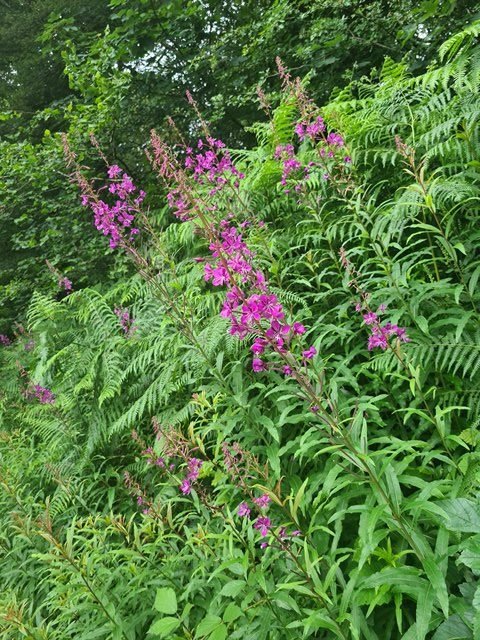
July in the woods It is well into summer now and we are returning to some semblance of normality and the foraging course I booked for July is running. Hurray! This time we were on the seashore rather than in a wood. It was a beautiful sunny day; the beach was packed but we were foraging on the marshes and in the grassy dunes where there we very few people. Which wasn’t surprising as the ground was boggy and uneven with channels of water everywhere blocking your path. The plants I saw were very different to those on other walks. They have to survive in a salty environment so tend to be fleshy and tough. One of the first plants we saw was sea spinach, which as its name suggests, can be eaten like spinach. Martin, our foraging guide, had recently made a quiche with it. A plant I am familiar with from my garden and one that keeps appearing in pots when I plant seeds, is fat hen. Also known as lamb’s quarters or White goosefoot (the leaves are shaped like the feet of geese), it is an annoying weed for gardeners but very good for forages as every bit of it is edible. The seeds are rich in starch and can be sprinkled on salads or sprouted and the leaves used instead of spinach or used in salads. Many of the plants we grow.as vegetables are related to wild versions. Wild carrot and parsnip and the sea radish which was in full radish bloom. You can see why it is called a radish in the picture. These...
by Judith Stafford | Jul 2, 2020 | Away with the Fairies
What is the difference between myths and fairy tales? Myths, legends, fables, folktales and fairy tales – it is hard to define exactly what they are. In this post I am going to look at the difference between a myth and a fairy tale and look at which stories belong to which label. I am going to show you why I think that all are interconnected to some degree. Note: For this article I have grouped myths and legends under the title of myths, and grouped fables, folktales and fairy tales under the fairy tale title. I have always been fascinated by these stories whether they are the long sprawling Greek myths of Homer or short fables of Aesop. They are the inspiration behind many fantasy and horror stories like those by Tolkien, Terry Pratchett and Stephen King. Where do these names come from? First to define what we mean by ‘myth’. The word is taken from the Greek ‘mythos’ meaning word of mouth, as this is how they would have originally been told before they were written down. These stories are usually quite complex and revolve around how the world was created or epic tales of events and achievements of nations or individuals. Fairy tales, on the other hand, come from the French ‘conte de fées’ first used by a group of 17th century writers. The word fairy in French is ‘fee’ or ‘feerie’ which means ‘ illusion’, also ‘fey’ was used to describe women who used magic. They are also known as folktales because they are about ‘folk’, ordinary common people. These stories are much more down to earth...
by Judith Stafford | Jun 30, 2020 | Into the Woods
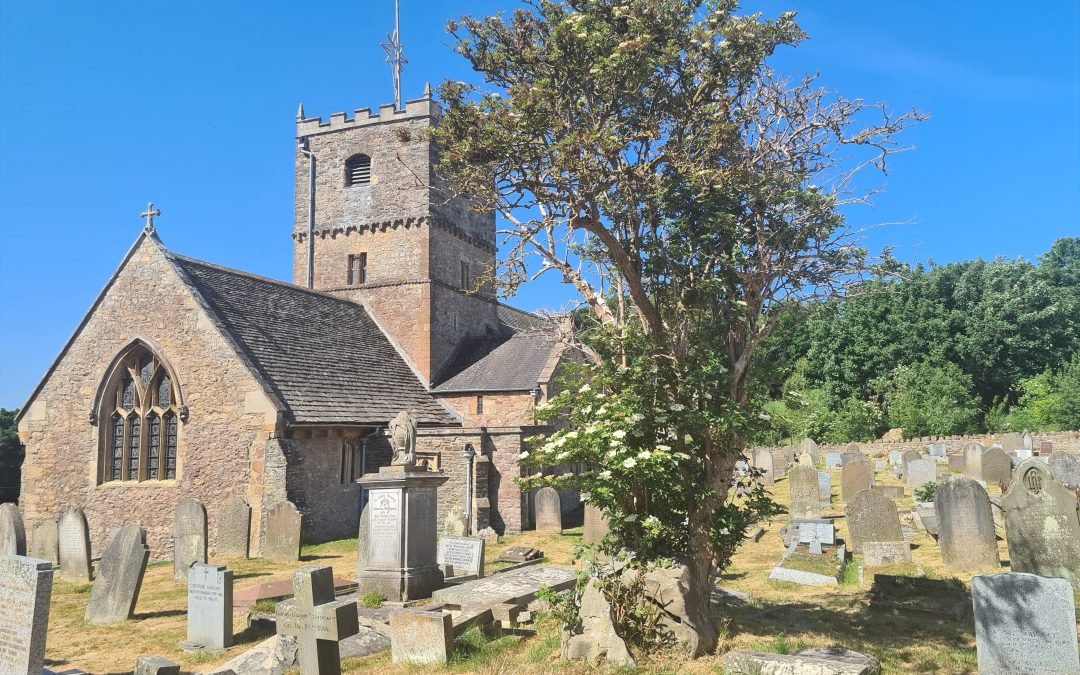
June in the Woods June is a green and luscious time in the woods. Plants are really starting to grow. This June has had very mixed weather. As lock down is slowly eased there have been some beautiful sunny days but also lots of rain – which is great for plants. My garden is now full of weeds and the slugs and snails are out in force! In the woods the elder tree is in flower. These beautiful frothy flowers can be eaten dipped in a light batter and fried or made into elderflower cordial, champagne or gin. This year I made gin and it was ready to drink in a week and tastes lovely and floral. Other medicinal plants in flower now are plantain, linden or lime tree flowers and common mallow. Plantain in flower[/caption] Plantain grows everywhere and can be eaten in salads. It is considered a healing herb and used on cuts and bruises as well as working as a laxative if you eat too much! Lime flowers are used as a sedative and often included in night time herbal drinks and have a very pleasant flavour. Marsh mallow is the mallow used mostly in herbal medicine; it bears no resemblance to the marshmallows found in your hot chocolate but at one time the sap was used in the production of these sweets. Common mallows have similar properties and are said to help reduce inflammation, cure toothache and treat wounds. The plant colours are mostly green with some pink including foxgloves, mallow and herb Robert. I love foxgloves and remember as a child imagining they were...
by Judith Stafford | Jun 1, 2020 | Becoming a Wise Woman
It will happen anyway, so you may as well embrace it. Just lately, I have been thinking about change. Some of the people close to me have been going through significant changes, and it has got me thinking about what makes me happy, how I can feel more content in life and looking at what I have to change to make this happen. I have been through some significant changes in the last few years. I have moved town twice, retrained, changed my job, and moved in with my partner. Things have changed a great deal, and mainly for the better. Yet still, some things could be better, and I would like to make this happen. We have an odd relationship with change; it can be scary. We are told that change is a good thing and that we should strive to change ourselves, our lives and our circumstances if we are not happy with them. But is this always a good idea? Is change good or bad? Is change always a good thing? If you are unhappy with something, should you change it? What about changes that are forced on you, such as losing a job or a partner? What would you call a ‘good’ change? Is it one you initiated yourself, or that turned out well? How about bad changes? Are they the ones that were forced on you or ones that did not improve your life? There are different types of change. We have no control over some traumatic changes, such as the death of a loved one or losing your job. More trivial changes, like...


Recent Comments